

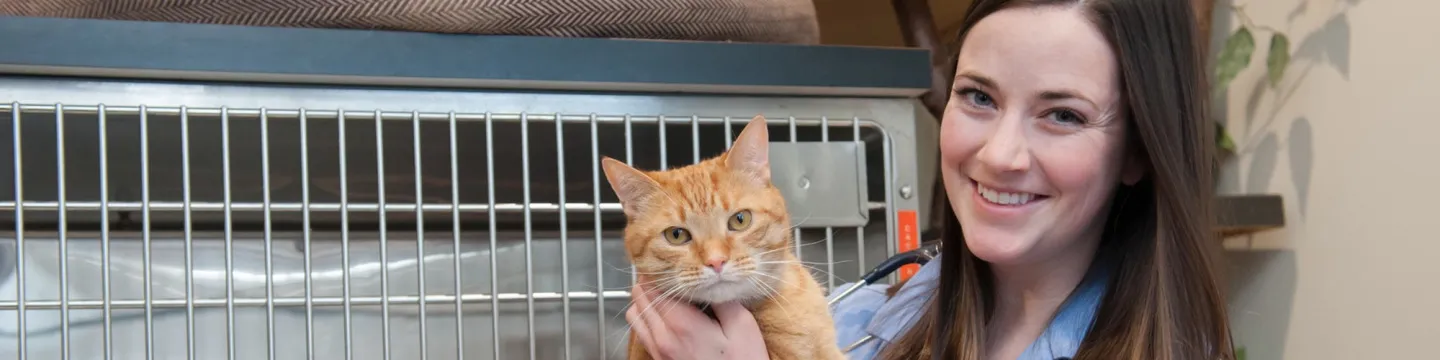
The Doctor of Veterinary Medicine (DVM) program at the Atlantic Veterinary College (AVC), University of Prince Edward Island, prepares future veterinarians to make a difference in animal health, public health, research, and community care.
With applicants welcomed from across Canada and around the world, AVC offers a highly personalized learning experience, exceptional clinical training, and a supportive campus community in Charlottetown, Prince Edward Island.
Graduate practice-ready and eligible to pursue licensure opportunities in Canada, the United States, the United Kingdom, Australia, and New Zealand.
A Veterinary Education Without Borders
AVC welcomes aspiring veterinarians from every province and territory in Canada, as well as international students from around the world.
Join a supportive learning community where you'll gain the skills, experience, and confidence to make a difference in animal health, public health, research, and beyond.
Why AVC?
At AVC, you'll gain the knowledge, hands-on experience, and professional confidence needed to succeed as a veterinarian in a rapidly evolving world. From personalized learning and clinical training to research opportunities and career outcomes, AVC is designed to help you thrive from your first day as a student to your first day in practice.
Join a Community of Veterinary Leaders
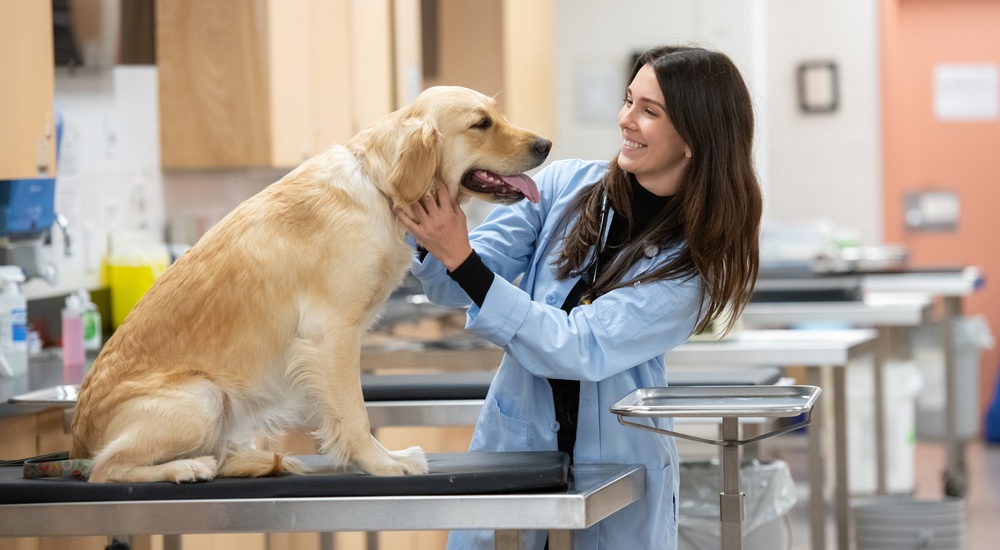
Since 1990, more than 1,800 veterinarians have graduated from AVC and gone on to successful careers across Canada and around the world. As a student, you'll become part of a respected alumni network recognized for professional excellence and strong performance on veterinary licensing examinations (NAVLE, North American Veterinary Licensing Examination).
Prepared for Practice, Ready for Opportunity
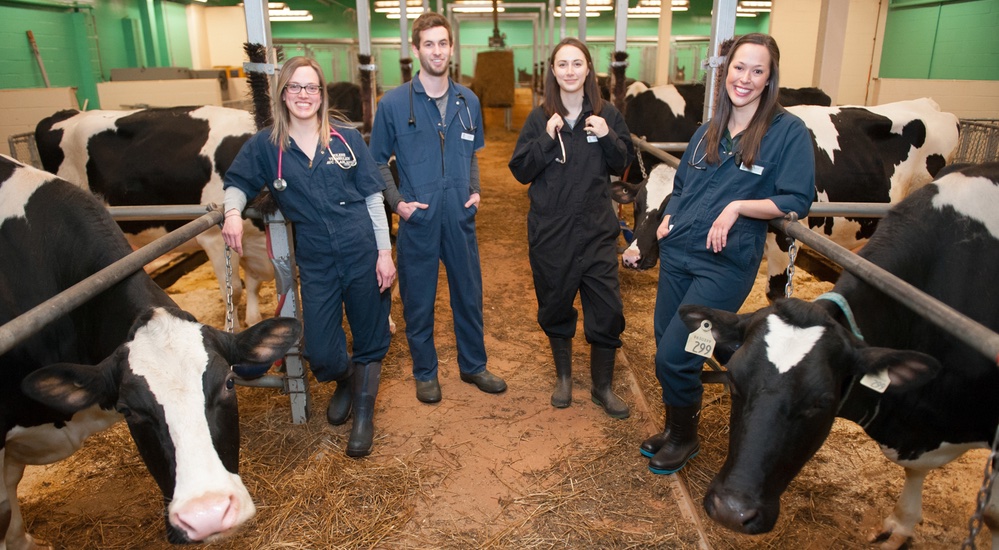
Demand for veterinarians continues to grow, and AVC graduates are well prepared to meet that need. With employment rates approaching 100 per cent within one year of graduation, our alumni pursue rewarding careers in private practice, specialty medicine, research, industry, government, and academia.
Learn in a Supportive, Student-Centered Environment
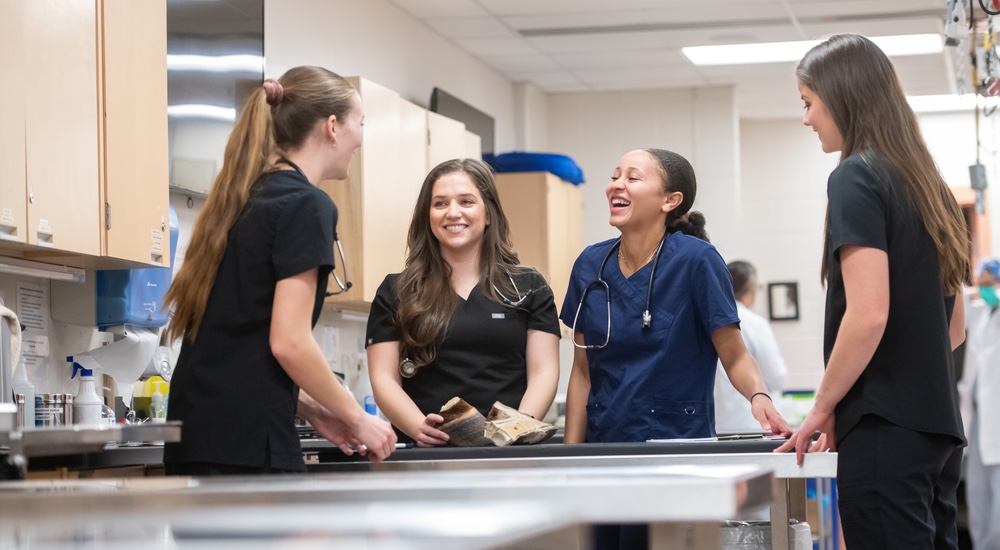
From your first day to graduation, AVC provides a student experience centered on support, mentorship, and personal growth. You'll have access to faculty experts, academic resources, and a close-knit community that helps you reach your full potential.
Gain Real-World Experience Through Clinical Learning
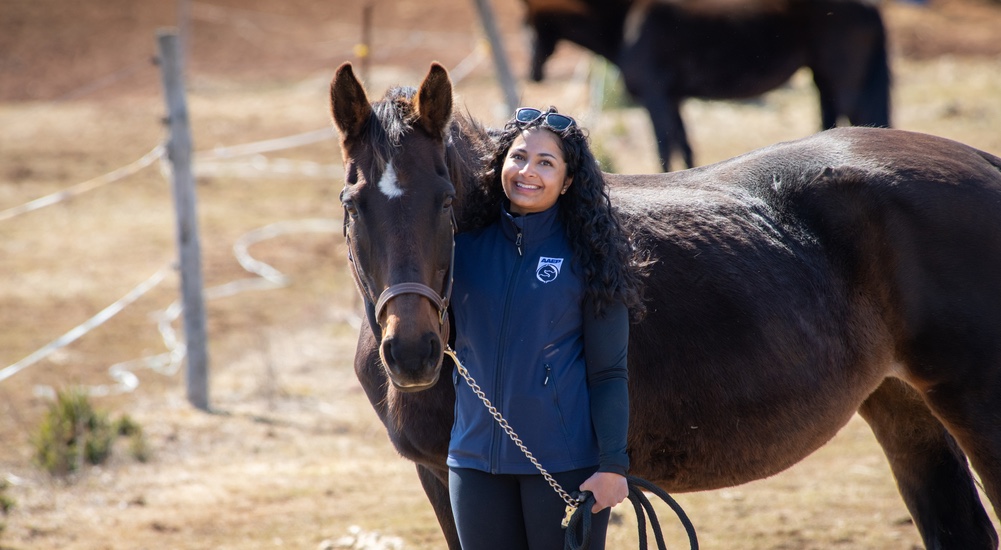
AVC is home to Atlantic Canada's most comprehensive veterinary referral hospital, creating unique opportunities for students to learn from real cases and diverse patient populations. Students also gain broad experience in general and primary care practice alongside specialty experiences in companion animal, large animal, equine, and aquatic medicine. Together, these experiences provide the breadth of clinical exposure need to prepare graduates for the many different ways they may choose to practise veterinary medicine.
Be Part of Research That Makes a Difference
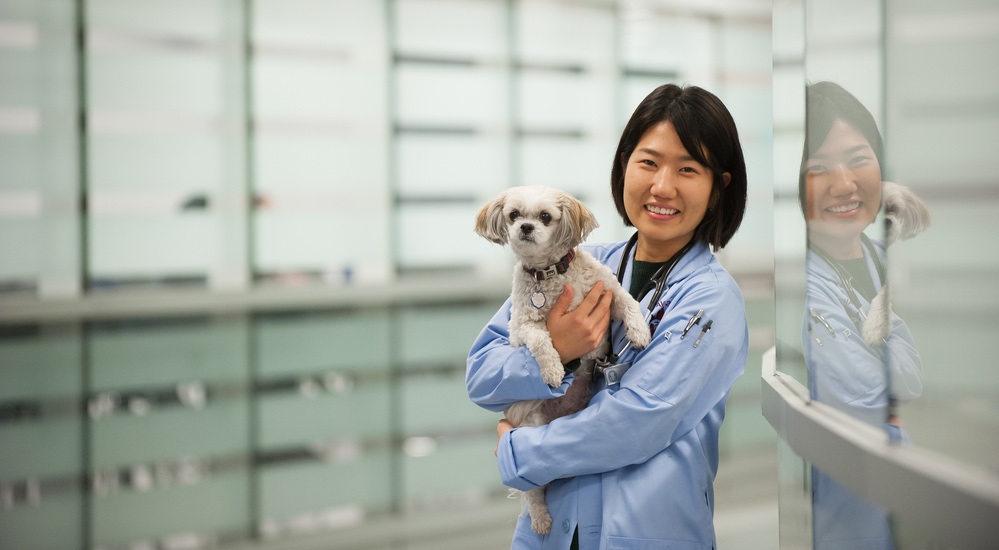
From animal health and welfare to public health and epidemiology, AVC researchers are advancing knowledge that improves the lives of animals and people. As a student, you'll have opportunities to engage with leading researchers and explore areas that match your interests and career goals.
Need more information about Doctor of Veterinary Medicine (DVM)?
The personal information requested on this form is collected under Section 31(c) of the PEI Freedom of Information and Protection of Privacy Act. Read our Disclaimer.
AVC's Doctor of Veterinary Medicine (DVM) program prepares students for rewarding careers in animal health through a carefully structured four-year curriculum. You'll spend the first three years building a strong foundation in veterinary medicine and developing practical skills before applying your learning through a final year of hands-on clinical training.
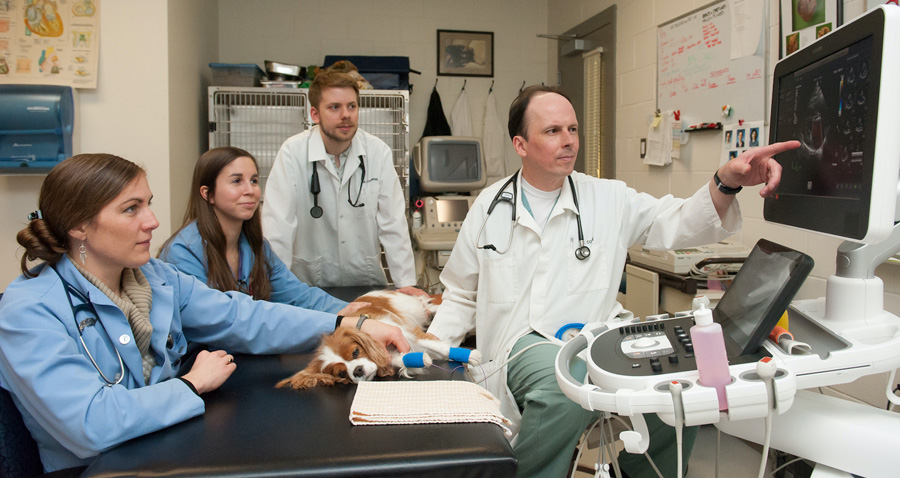
Year 1: Build your foundation
Your first year focuses on understanding animal health, normal structure and function, and the scientific principles that underpin veterinary medicine. You'll explore animal behaviour, welfare, production systems, epidemiology, and critical reasoning while developing foundational clinical skills, including animal handling and restraint. Early exposure to the Veterinary Teaching Hospital provides opportunities to connect with faculty, staff, and senior students, while courses in research principles and professional development help you build skills in communication, self-awareness, resilience, and well-being.
Year 2: Advance your clinical knowledge
In Year 2, you'll deepen your understanding of disease processes, public health, and evidence-based veterinary medicine. Coursework introduces key clinical disciplines, including medicine, surgery, anesthesia, diagnostic imaging, theriogenology, and primary care practice. You'll continue developing practical skills while strengthening your abilities in leadership, ethics, professional communication, and decision-making.
Year 3: Explore your interests
Year 3 combines core learning with increased flexibility through elective opportunities. You'll strengthen your knowledge of large and small animal medicine and surgery while beginning to tailor your educational experience to your interests and career goals. Elective modules provide opportunities to explore specific species, disciplines, and areas of veterinary practice in greater depth.
Year 4: Learn through clinical practice
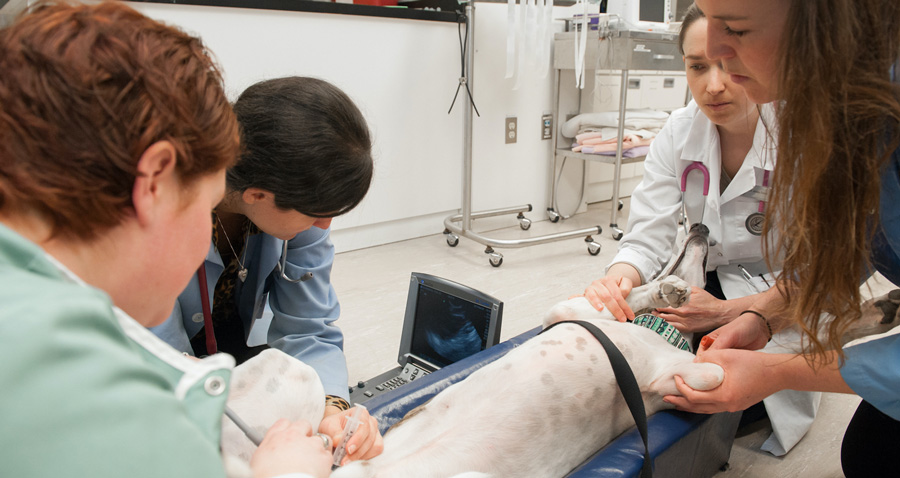
Your final year is focused on immersive clinical training. Through 40 weeks of clinical rotations, you'll work alongside experienced faculty and veterinary professionals, applying your knowledge and skills in real-world settings. Core rotations span areas such as companion animal medicine and surgery, large animal medicine and surgery, anesthesiology, radiology, community practice, and diagnostic services. Additional elective rotations allow you to further explore specialized interests and gain experience in a variety of clinical environments.
Visit the DVM Course Structure page for complete details.
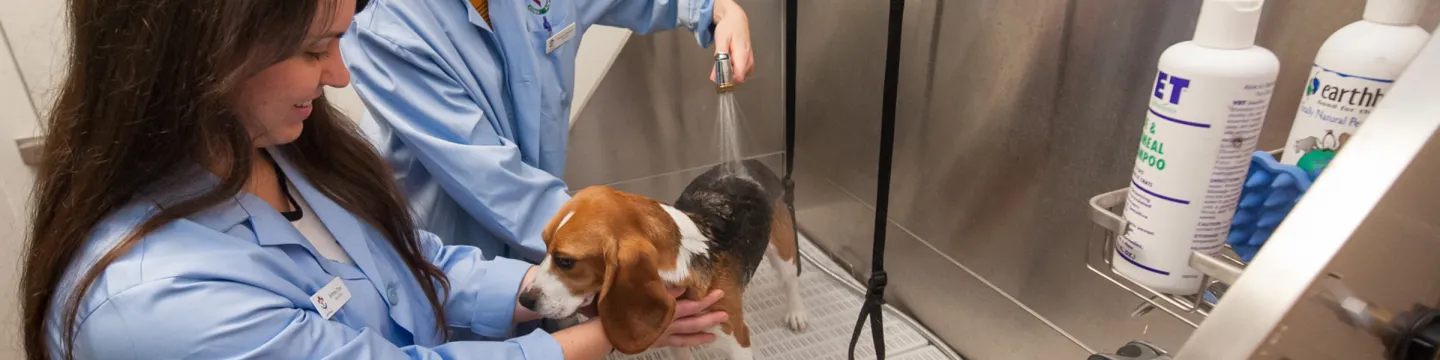
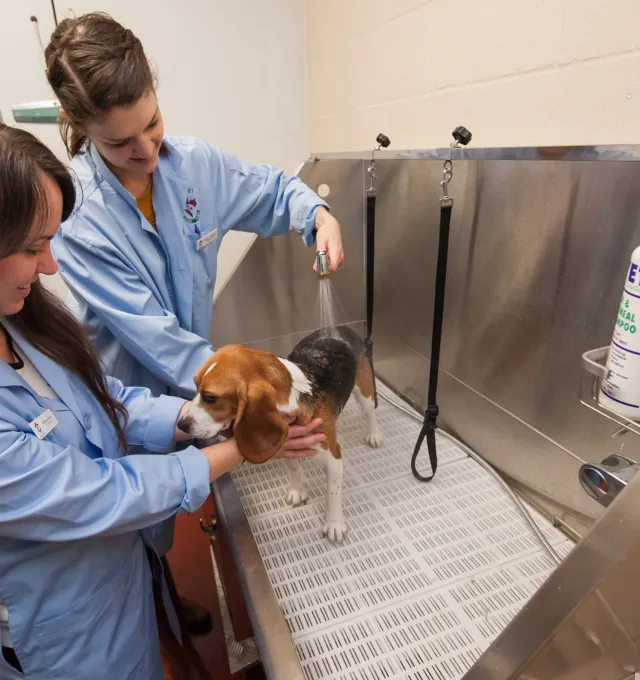
Veterinary school is about more than academics. At AVC, you'll have opportunities to connect with classmates, develop leadership skills, participate in research, explore career interests, and contribute to the veterinary community through more than 20 student clubs and organizations. Whether you're pursuing a specialized area of veterinary medicine or building professional connections, there are countless ways to get involved.
The AVC Doctor of Veterinary Medicine program welcomes applications from students across Canada and around the world.
Admission to the DVM program is competitive and holistic, with applicants evaluated on academic achievement, experiences, and personal attributes that demonstrate readiness for the veterinary profession.
Canadian applicants from all provinces and territories are eligible to apply, along with international applicants. Admissions pathways, seat allocations, tuition, and eligibility requirements may vary by applicant category.
Visit our Understanding the DVM Admissions Process page for complete admission requirements and application details.
Important update: Changes to grade reporting due to COVID-19 pandemic
In response to the challenges of teaching, learning, and assessing academic performance during the global COVID-19 pandemic, the AVC Admissions Committee will take the significant disruptions of the COVID-19 outbreak in 2020 into account when reviewing the transcripts of applicants to the DVM program.
In particular, as we review applications now and in the future, we will respect decisions regarding the adoption of Pass/No Record (or Credit/No Credit or Pass/Fail) and other grading options during the unprecedented period of COVID-19 disruptions, whether those decisions were made by institutions or by individual students.
It is the intention of the AVC Admissions Committee that any calculation of academic average that involves coursework from the winter 2020 semester will be undertaken in such a way as to give full advantage to each individual applicant.
Pursuing a veterinary education is a significant investment, and AVC is committed to helping students access the support they need. Through scholarships, awards, financial aid programs, and funding resources, we help students focus on achieving their academic and professional goals.
Tuition and Financial Aid
Students from participating Atlantic provinces benefit from provincial funding that helps offset the cost of their veterinary education. This support is provided through an Interprovincial Funding Agreement between Atlantic provincial governments and AVC.
Students admitted to unsubsidized seats are responsible for the full cost of tuition. Full tuition is similar to the rates paid by out-of-state students at U.S. veterinary colleges and by international students at veterinary colleges outside Canada and the United States.
For a complete breakdown of tuition and fees for the DVM program, visit UPEI's Tuition and Fees page.
Scholarships
AVC's Academic and Student Affairs (ASA) Office, in collaboration with the Awards Committee, administers over $200,000 per year in scholarships and awards for DVM students, thanks to the generosity of donors. Additional funding for travel to various clinical rotations in fourth year is also available. Examples include grants for students wishing to participate in external food animal, aquatic animal and shelter medicine external rotations.
Visit UPEI’s Scholarships and Awards site for DVM program award information and application forms.
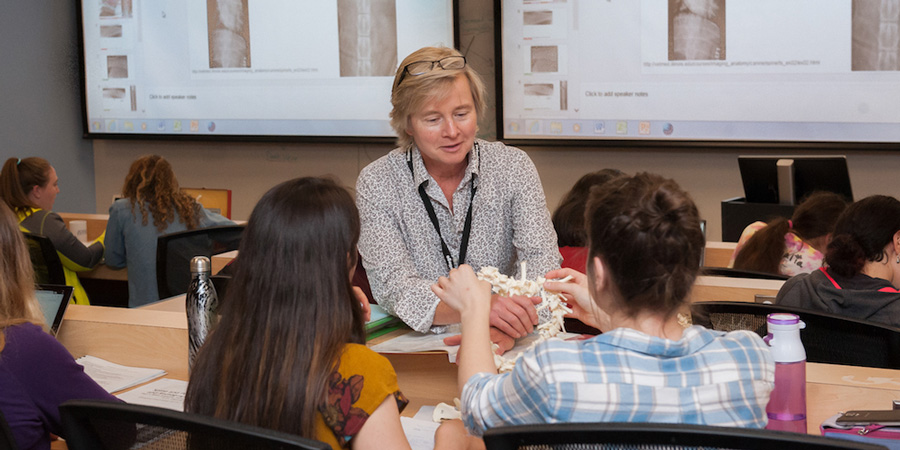
At AVC, you'll learn from accomplished veterinarians, researchers, and educators who are advancing animal health locally and globally.
Two of our outstanding faculty, Dr. Étienne Côté, professor of cardiology, and Dr. Susan Dawson, professor of anatomy, have been named National 3M Teaching Fellows for their innovative teaching. Our favourable student-to-faculty ratio means that students learn from and work closely with faculty who are recognized experts in many fields of veterinary medicine.
Our faculty members support our students with learning opportunities beyond the classroom as they progress through their four-year degree program.


